
Compare Local Contractors for Water Line Installation Services
Compare local contractors for water line installation to define the scope, verify experience, and set clear expectations for a successful project.
Water line installation projects typically involve laying new underground pipes that connect a property’s plumbing system to a municipal water supply or a private well. This work includes tasks such as trenching, pipe fitting, and ensuring proper connections to prevent leaks or contamination. Property owners may also need assistance with planning the route of the water line, coordinating with existing utilities, and adhering to local codes or regulations. Clear communication about the scope of work can help ensure the project covers all necessary steps for a reliable and functional water connection.
Defining the scope of water line installation is an important step in the process. A detailed scope helps property owners understand what services are included, such as excavation, pipe installation, testing, and backfilling. It also clarifies any additional work that might be needed, like permits or repairs to existing infrastructure. Having a written scope of work can prevent misunderstandings, ensure all parties are aligned on expectations, and serve as a reference throughout the project. This clarity can contribute to a smoother experience and better outcomes.
When comparing local contractors for water line installation, property owners should consider factors such as experience with similar projects, reputation within the community, and the scope of services offered. It is helpful to verify that contractors understand the specific requirements of the local area, including any regional regulations or soil conditions. Reviewing past work or requesting references can provide insight into a contractor’s reliability and craftsmanship. Additionally, obtaining detailed proposals that outline the scope of work in writing allows property owners to make informed comparisons and select a service provider best suited to their needs.
Compare local contractors by outlining project priorities, verifying experience, and clearly defining scope and expectations in writing.
- Compare Service Providers - Review local contractors’ experience and credentials to find the best match for water line installation.
- Define Project Scope - Clearly outline the work to be done and set expectations in writing before starting.
- Verify Experience - Confirm that contractors have relevant experience with water line installation projects.
- Request Written Agreements - Ensure all project details, responsibilities, and expectations are documented in a formal agreement.
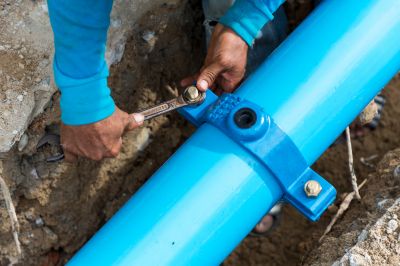
Clearly describe your water line installation project to help compare local contractors, define scope, verify experience, and set expectations in writing.
- Verify experience and references of local contractors with water line installation projects. - Ensure service providers clearly define the scope of work and installation procedures in writing.
- Compare multiple local contractors to assess their expertise and approach for water line installation. - Confirm that contractors understand the specific requirements of the property and existing infrastructure.
- Check that service providers have appropriate equipment and resources to handle the installation safely and effectively. - Review the proposed plan for trenching, pipe materials, and connection points before work begins.
- Discuss and document project expectations, including quality standards and communication protocols, with local contractors. - Make sure all details are agreed upon and included in the contract to prevent misunderstandings.
- Assess contractors’ knowledge of local codes and regulations related to water line installation. - Ensure compliance with relevant standards to avoid future issues or penalties.
- Request detailed written estimates outlining the scope, materials, and process for the water line installation. - Use these documents to compare services and set clear expectations with chosen service providers.
Compare local contractors, clarify project scope, verify experience, and set clear expectations in writing.
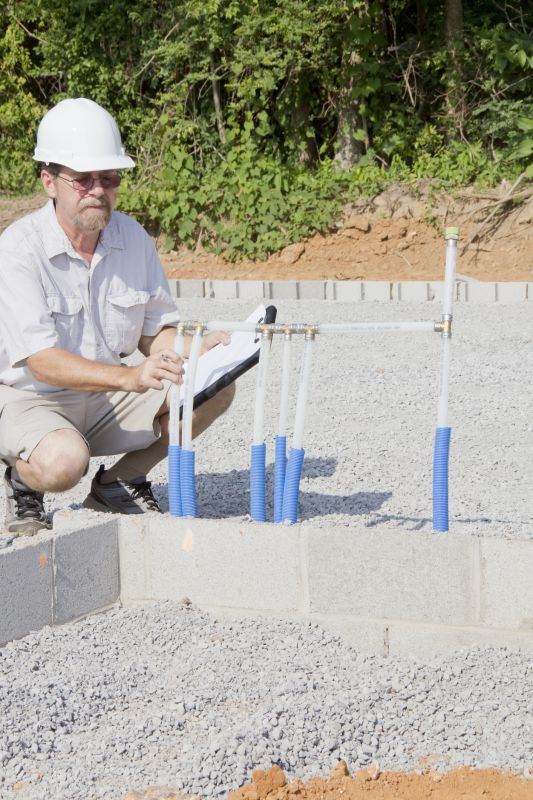
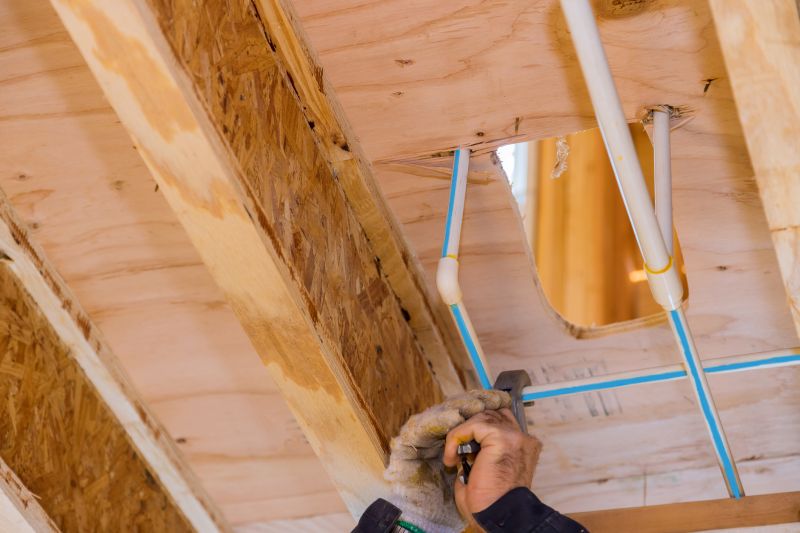
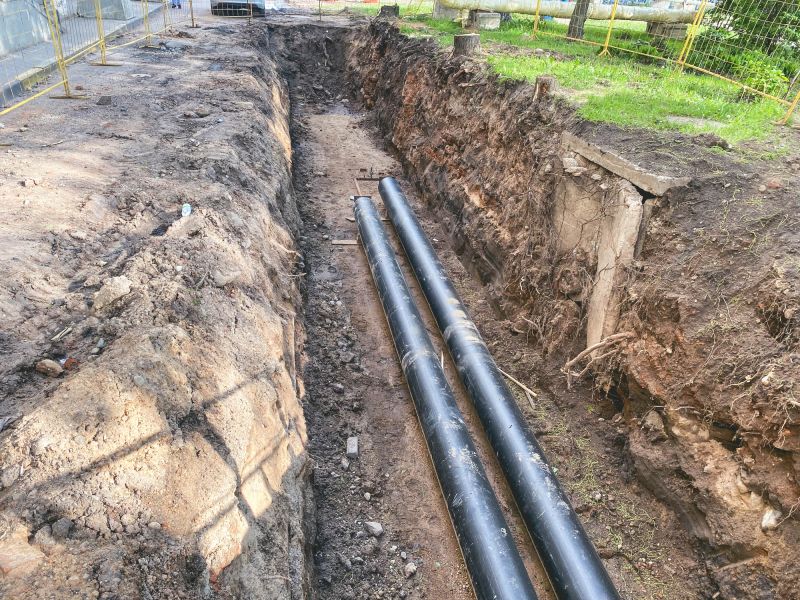
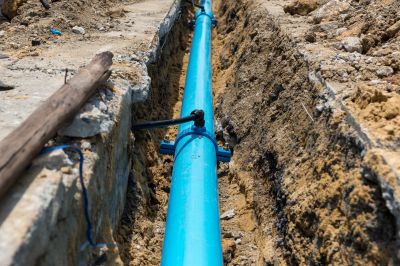
Consistent comparison of local contractors for water line installation helps ensure clear scope definition, experience verification, and written expectations.
- Scope Definition - Clearly outline the extent of water line installation work to ensure all parties understand the project parameters.
- Material Specifications - Specify the types and quality of pipes and fittings to be used in the installation.
- Work Area Preparation - Identify the locations and conditions of the site where the water lines will be installed.
- Installation Standards - Establish the required methods and practices that local contractors should follow during installation.
- Verification and Documentation - Ensure all work is documented and meets agreed-upon specifications before project completion.
When comparing contractors for water line installation, it’s important to consider their experience with similar projects. Homeowners should inquire about how many water line installations the service providers have completed and whether they have handled projects comparable in scope and complexity. Contractors with a history of successful installations in residential settings are more likely to understand the unique challenges that can arise and be equipped to manage them effectively. This background can provide reassurance that the chosen service provider has relevant hands-on experience to meet the specific needs of the site.
A clear, written scope of work is essential when evaluating options. Homeowners should seek detailed descriptions of what the installation will include, such as trenching, pipe laying, connections, and any necessary site preparations or restorations. A well-defined scope helps prevent misunderstandings and sets proper expectations for the work to be performed. It also provides a basis for comparing different service providers’ proposals, ensuring that each one outlines the same tasks and deliverables, making the decision process more transparent.
Verification of a contractor’s basic qualifications involves reviewing their process for assessing the site and planning the installation. Homeowners should ask how service providers determine the best approach for the water line route, including considerations like existing underground utilities or soil conditions. Understanding whether the contractor performs site inspections or assessments can help gauge their thoroughness and professionalism. While detailed licensing or certification information is not part of this guide, confirming that a contractor conducts proper site evaluations is a key step in verifying their readiness to handle the job responsibly.
Evaluating options without focusing on prices involves comparing how each contractor defines the scope, their experience with similar projects, and their approach to planning and communication. Homeowners should ask how each service provider intends to execute the work and how they communicate progress or changes throughout the process. Reviewing written proposals or scope documents can reveal the level of detail and professionalism, helping to identify which contractors are best aligned with the project’s needs. This approach ensures a thorough comparison based on expertise, clarity, and planning rather than cost alone.
Ask contractors to provide written scope of work to ensure clear expectations and consistent project understanding.
- Scope of Work Clarification - What specific tasks and responsibilities will each contractor include in their water line installation services?
- Experience and Expertise - How many water line installations has the contractor completed, and what types of properties have they worked on?
- Material and Equipment Details - What materials and tools will the contractor use to ensure quality and durability of the water line?
- Warranty and Service Guarantees - What assurances does the contractor provide regarding the work performed and potential future issues?
- Written Scope and Expectations - Are all project details, responsibilities, and expectations documented in a clear written agreement?
How can I compare contractors for water line installation? To compare local contractors, review their experience, verify references, and assess their scope of work to ensure they meet project requirements.
What should I define in the scope of water line installation? Clearly outline the extent of work, including the connection points, pipe materials, and any site preparation needed to set expectations with the contractor.
How do I verify a contractor’s experience with water line projects? Ask for details about their past work, including similar installations, and request references to confirm their expertise and reliability.
Why is it important to get everything in writing? Having a written agreement helps clarify project scope, responsibilities, and expectations, reducing misunderstandings during water line installation.
What questions should I ask a contractor before hiring? Inquire about their experience, the materials they use, their process for handling unforeseen issues, and how they plan to meet your project specifications.
How can I ensure the contractor understands my project needs? Communicate your expectations clearly, ask for detailed proposals, and confirm that the scope and deliverables are documented before work begins.
By reviewing the information provided, visitors can better understand how to identify qualified contractors for water line installation, including defining the scope of work, verifying experience, and setting clear expectations in writing. This approach helps ensure that the process of selecting a service provider is organized and informed. To explore options and compare local contractors, using the quote form is a practical step toward connecting with experienced service providers in the area.
Taking the time to compare and evaluate local contractors allows for a clearer picture of the available options and what each provider offers. Utilizing the quote form streamlines the process of gathering information and making informed decisions. This method supports finding the right service provider to meet specific project needs.