
Compare Local Contractors for Ground Hydrant Installation Services
Compare local contractors for ground hydrant installation to define project scope, verify experience, and set clear expectations before hiring.
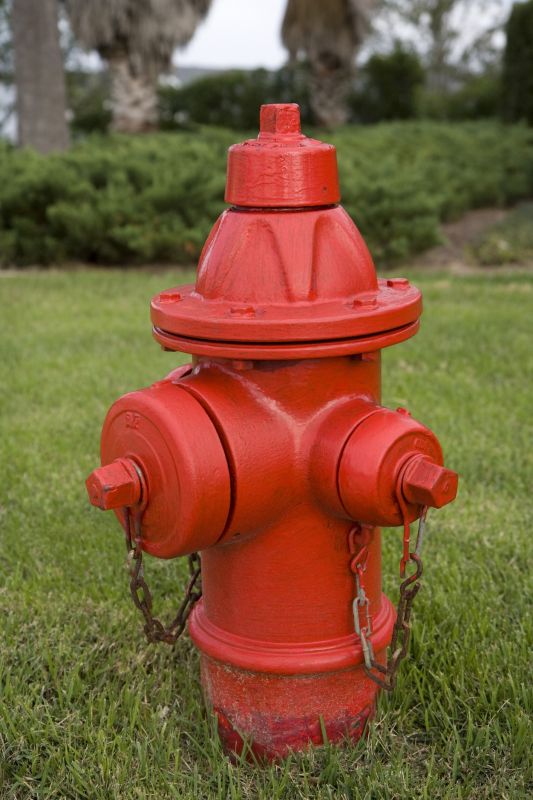
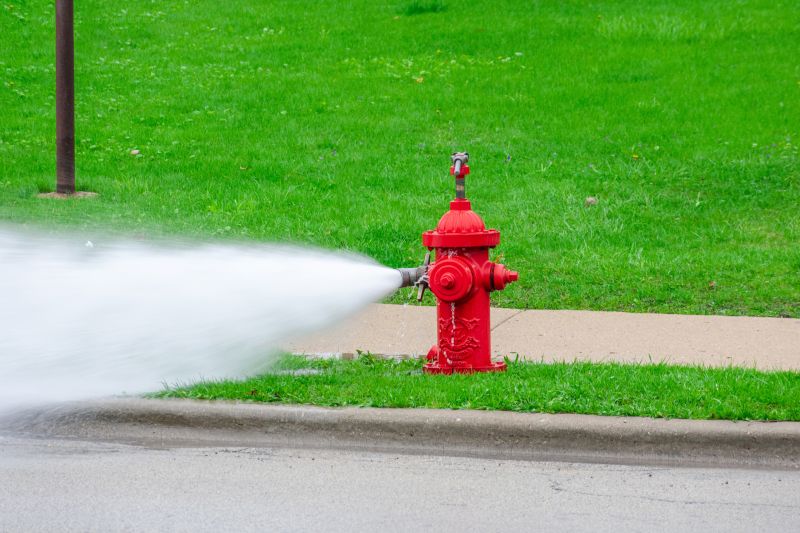
Ground hydrant installation involves creating a reliable water supply point on a property to support firefighting efforts or other emergency needs. This work typically includes planning the location, digging and trenching to lay the necessary piping, installing the hydrant itself, and ensuring proper connection to the existing water system. Contractors may also handle related tasks such as site preparation, ensuring proper drainage, and verifying that the installation meets local standards and codes. Understanding the scope of work helps property owners determine what services are included and ensures that the project addresses all necessary components for a functional and compliant hydrant system.
Defining the scope of ground hydrant installation is essential for establishing clear expectations and avoiding misunderstandings. Property owners should work with contractors to specify details such as the desired location, the extent of excavation, connection points, and any additional features like fencing or protective coverings. Documenting these details in writing provides a reference point throughout the project, helping to prevent scope creep and ensuring that both parties have aligned expectations. A well-defined scope also makes it easier to evaluate proposals, compare service providers, and select a contractor with relevant experience in similar installations.
When comparing local contractors for ground hydrant installation, property owners should consider factors such as experience with similar projects, reputation within the community, and the clarity of their proposals. It’s helpful to verify how each contractor plans to approach the scope of work and whether they can provide detailed descriptions of their process. Asking for references or examples of past work can offer insights into their capabilities. Additionally, reviewing how each service provider communicates and documents project details can assist in making an informed decision. Choosing a contractor with a clear, thorough approach to scope and project planning can contribute to a smooth installation process.
Compare local contractors by outlining project priorities, verifying experience, and clearly defining scope and expectations in writing.
- Compare Contractor Credentials - Review the experience and qualifications of local contractors to ensure they meet project requirements.
- Define Project Scope Clearly - Establish detailed work descriptions to set clear expectations for ground hydrant installation.
- Verify Past Experience - Check references or previous work to assess the reliability and quality of local service providers.
- Document Agreements in Writing - Ensure all project details and expectations are recorded to prevent misunderstandings.

Clearly describe your ground hydrant installation project to effectively compare local contractors, define scope, and set expectations in writing.
- Verify experience and expertise of local contractors in ground hydrant installation. Ensure scope of work is clearly defined and detailed in written agreements. Compare multiple service providers to assess their capabilities and service offerings. Ask contractors about their familiarity with site-specific requirements and standards. Check references or reviews to gauge the reliability and quality of previous ground hydrant projects. Confirm that all project expectations, including installation specifications, are documented in the contract.
Compare local contractors’ experience and clarify project scope to ensure successful ground hydrant installation.

This scope builder helps compare local contractors, define project details clearly, verify experience, and set expectations consistently.
- Project Scope - Clearly define the specific tasks and responsibilities involved in the ground hydrant installation.
- Site Conditions - Assess and document the existing site environment and any potential obstacles affecting installation.
- Material and Equipment Requirements - Specify the types of materials and tools needed for the installation process.
- Experience and Qualifications - Verify that local contractors have relevant experience with ground hydrant systems and installation procedures.
- Written Agreement - Ensure all project details, expectations, and scope are documented in a comprehensive written contract.
When comparing contractors for ground hydrant installation, it’s important to consider their experience with similar projects. Homeowners should inquire about the types of ground hydrant systems the contractors have installed and the environments in which they have worked. A contractor with a history of handling installations in properties comparable to the site in question can provide insights into potential challenges and effective solutions. This background helps ensure that the selected service providers understand the specific requirements of the project and have demonstrated competence in completing such work successfully.
A clear, written scope of work is essential for setting expectations and ensuring all parties are aligned. Homeowners should seek detailed descriptions of the tasks involved, including site preparation, installation procedures, and any necessary follow-up work. A comprehensive scope reduces the risk of misunderstandings and provides a basis for evaluating whether the contractor’s approach aligns with the project’s needs. Clarifying the scope in writing also helps in establishing a shared understanding of responsibilities, timelines, and deliverables, which can be vital for a smooth installation process.
Verification basics involve confirming that the service providers have the appropriate experience and track record for ground hydrant installation. Homeowners can ask for references or examples of completed projects similar in scope and complexity. Additionally, reviewing any available documentation or project summaries can help gauge the contractor’s familiarity with local site conditions and installation standards. While licensing and certification are not always required, understanding a contractor’s background and reputation can support informed decision-making and help identify those with proven expertise.
Evaluating options without focusing on prices involves assessing the quality of the service providers’ proposals and their approach to the project. Homeowners should compare how each contractor plans to execute the installation, the thoroughness of their scope, and their ability to address specific site considerations. It is also helpful to consider the clarity and professionalism of written communications, as these reflect the contractor’s attention to detail and commitment to transparency. By focusing on experience, scope clarity, and verification, homeowners can make well-informed choices that align with their project goals and expectations.
Request written scope and details from local contractors to ensure clear expectations and consistent project understanding.
- Experience and Credentials - What relevant experience do the local contractors have with ground hydrant installation projects?
- Scope of Work - How do the contractors define and outline the specific scope of the installation process?
- Materials and Equipment - What types of materials and equipment do the service providers plan to use for the installation?
- Project Expectations - How do the contractors clarify the project expectations and deliverables in writing?
- Comparison Factors - What criteria should be used to compare different contractors’ approaches and expertise?
How can I compare contractors for ground hydrant installation? It’s helpful to review their experience with similar projects, ask for references, and verify their reputation through reviews or ratings to ensure they meet your needs.
What should I consider when defining the scope of the project? Clearly outline the location, number of hydrants, and any specific installation requirements to ensure contractors understand the full extent of the work.
How can I verify a contractor’s experience with ground hydrant installation? Request details about their past projects, ask for examples of similar work, and inquire about their familiarity with local regulations and site conditions.
Why is it important to have the project scope and expectations in writing? Written documentation helps prevent misunderstandings, sets clear responsibilities, and provides a record of what was agreed upon for the installation.
What questions should I ask contractors during the comparison process? Inquire about their experience, methods, materials used, and how they handle potential challenges to gauge their expertise and approach.
How can I ensure I am choosing a reliable contractor for ground hydrant installation? Look for contractors with proven experience, clear communication, and a transparent approach to defining project details and expectations in writing.
Understanding the key aspects of ground hydrant installation, including defining the scope of work, verifying experience, and setting clear expectations in writing, helps ensure the project aligns with specific needs. Comparing local contractors allows for an informed selection process, making it easier to evaluate options based on expertise and service offerings.
Using the quote form provides a straightforward way to connect with trusted service providers in the area. It enables visitors to gather information, compare options, and find the right contractor to handle their ground hydrant installation project effectively.