
Compare Local Contractors for Water Hydrant Replacement Services
Compare local contractors for water hydrant replacement to define scope, verify experience, and set clear expectations for a successful project.
Water hydrant replacement projects typically involve removing outdated or damaged fire hydrants and installing new units to ensure proper fire protection and water system functionality. This work can include excavation, pipe connection, and ensuring the hydrant is securely anchored and accessible. Property owners should clarify the scope of work with contractors to determine whether the replacement includes parts like valves, caps, or specific fittings, and whether any additional work such as trenching or site restoration is needed. Defining these details upfront helps prevent misunderstandings and ensures the project covers all necessary components for a reliable and compliant installation.
Understanding why scope matters is essential when working with contractors for hydrant replacement. Clearly outlining what is included in the job-such as the type of hydrant, connection points, and site preparation-helps property owners compare bids effectively. It also sets clear expectations for the work to be performed, reducing the risk of unexpected costs or incomplete service. A well-defined scope acts as a reference point throughout the project, enabling property owners to verify that the work aligns with the initial agreement and that all necessary steps are accounted for.
When evaluating local contractors for water hydrant replacement, property owners should focus on experience and the ability to handle similar projects. Comparing service providers involves reviewing their understanding of local water systems, the quality of their work, and their approach to project management. It’s helpful to ask for detailed descriptions of their previous work, verify that they understand local codes and standards, and ensure they can provide clear, written estimates that specify the scope of work. This approach supports making informed decisions and selecting service providers capable of delivering reliable hydrant replacement services tailored to the specific needs of the property.
Compare local contractors by outlining project priorities, verifying experience, and establishing clear expectations in writing.
- Compare Service Providers - Review multiple local contractors to find those with relevant experience in water hydrant replacement.
- Define Project Scope - Clearly outline the work required to ensure all parties understand the expected outcome.
- Verify Experience and References - Check the backgrounds and past work of contractors to assess their expertise.
- Get Written Agreements - Ensure scope, responsibilities, and expectations are documented in a formal agreement.
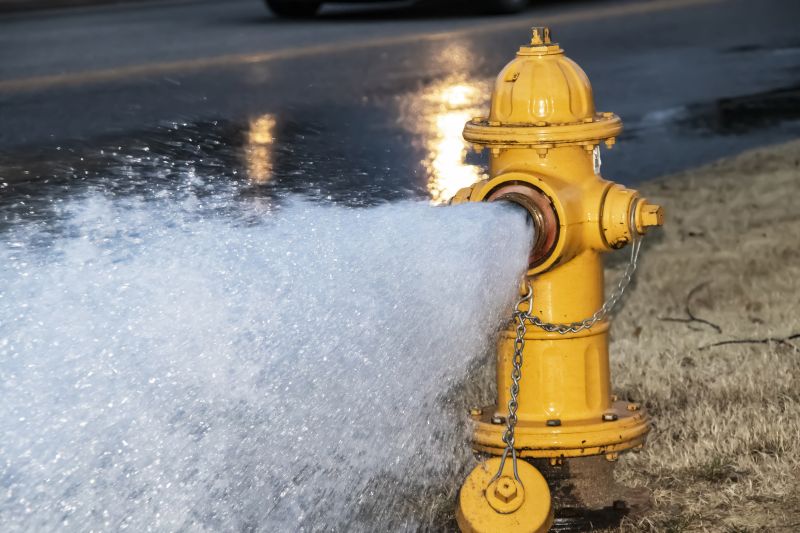
Clearly describe the water hydrant replacement project to compare contractor experience, scope, and expectations effectively.
- Verify the contractor’s experience with water hydrant replacement projects to ensure familiarity with local standards. - Ensure scope of work is clearly defined and documented in the service agreement.
- Compare multiple local contractors to assess their qualifications and approach to hydrant replacement. - Look for providers who can explain their process and materials used in the replacement.
- Check references or reviews to gauge the quality of previous hydrant replacement work completed by the contractor. - Confirm that the contractor adheres to relevant safety and installation practices.
- Ensure the scope of work includes proper site assessment and preparation before replacing the hydrant. - Clarify what is included in the project to avoid misunderstandings during execution.
- Request a detailed written estimate outlining the work to be performed and materials to be used. - Make sure all expectations are documented to facilitate comparison and accountability.
Compare local contractors, clarify project scope, verify experience, and document expectations for successful water hydrant replacements.

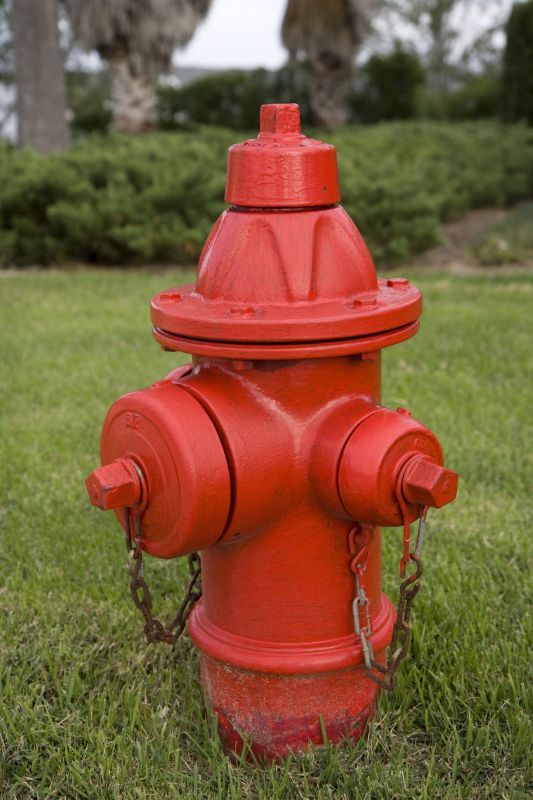
This scope builder helps compare local contractors for water hydrant replacement by clarifying work details and experience.
- Scope Definition - Clearly outline the specific tasks involved in the water hydrant replacement project.
- Experience Verification - Confirm that local contractors have relevant experience with water hydrant installation and replacement.
- Material Specifications - Specify the types of materials and equipment required for the replacement process.
- Work Standards - Establish the quality and safety standards that the replacement work must meet.
- Documentation Requirements - Ensure all scope details, expectations, and agreements are documented in writing for clarity.
When comparing contractors for water hydrant replacement, it’s important to assess their experience with similar projects. Homeowners should inquire about the types of hydrant replacements the service providers have completed and seek details about the scope of those projects. Contractors with a history of handling water infrastructure work comparable to the current needs are more likely to understand the complexities involved and deliver satisfactory results. Gathering information about their past work can help ensure that the chosen service provider has relevant hands-on experience that aligns with the specific requirements of the hydrant replacement.
A clear, written scope of work is essential when evaluating different contractors. Homeowners should request detailed descriptions of what each service provider intends to do, including the steps involved, materials used, and any specific tasks that will be performed. A well-defined scope helps prevent misunderstandings and sets clear expectations for the project. It also provides a basis for comparing different proposals, ensuring that each contractor’s approach aligns with the homeowner’s needs and that there are no gaps or ambiguities in what will be accomplished.
Verification basics are key to making an informed choice among service providers. Homeowners should verify that contractors have the necessary experience with hydrant replacement projects, and ask for references or examples of completed work. Confirming that the contractor understands the local water system and has a track record of successful projects can reduce the risk of issues during installation or replacement. Additionally, it’s helpful to check whether the contractor adheres to local codes and standards, as this can influence the quality and longevity of the work performed.
Evaluating options without focusing on prices involves examining the quality of the proposals and the professionalism of the service providers. Homeowners should compare the clarity of communication, the thoroughness of the scope, and the experience demonstrated in each proposal. Asking questions about the process, materials, and project management can reveal how well each contractor understands the job and their approach to completing it. By focusing on experience, scope, and verification, homeowners can select a contractor who is capable of delivering reliable, high-quality hydrant replacement services that meet the project’s specific needs.
Ask for written scope and details to ensure clear expectations and consistent project understanding with contractors.
- Experience and References - How can local contractors demonstrate their experience with water hydrant replacement projects?
- Scope of Work - What specific tasks and responsibilities are included in the scope of work provided by each contractor?
- Materials and Equipment - What types of materials and equipment do service providers plan to use for the replacement?
- Warranty and Guarantees - Are there written warranties or guarantees that cover the work and materials used in the replacement?
- Communication and Clarification - How do contractors ensure expectations are clearly defined and documented before beginning the work?
How can I compare contractors for water hydrant replacement? It’s helpful to review their experience, ask about previous projects, and verify their familiarity with hydrant replacement procedures. Gathering multiple quotes and checking references can also assist in making an informed choice.
What should I consider when defining the scope of water hydrant replacement? Clearly outline the work needed, including the type of hydrant, location, and any additional work such as excavation or connection updates. Providing detailed information helps contractors deliver accurate assessments.
How do I verify a contractor’s experience with hydrant replacement projects? Ask for examples of similar work they have completed, and inquire about their familiarity with local codes and standards related to water infrastructure. Experience with comparable projects can indicate reliability.
Why is it important to have the scope of work in writing? Having a detailed, written scope ensures that expectations are clear, reduces misunderstandings, and provides a reference point for project completion and accountability.
What questions should I ask contractors during the selection process? Inquire about their previous experience, methods for replacing hydrants, handling unexpected issues, and how they plan to coordinate with other utilities or infrastructure.
How can I ensure that the contractor understands my specific needs? Communicate your project details clearly, ask for their input on the scope, and confirm that they can meet the outlined requirements before proceeding with any work.
By reviewing the information provided, visitors can gain a clear understanding of how to find qualified contractors for water hydrant replacement. They learned the importance of defining the scope of work, verifying the experience of service providers, and setting clear expectations in writing to ensure a smooth process. Comparing options through the quote form makes it easier to evaluate local contractors and find the right fit for the project.
Taking a moment to complete the quote form allows visitors to connect with experienced local contractors who can handle water hydrant replacement. This step helps in comparing different service providers, understanding their capabilities, and making informed decisions. Using the form can streamline the process of finding trusted professionals suited to specific project needs.