
Compare Local Contractors for Piping Replacement Projects
Compare local contractors for piping replacement to define project scope, verify experience, and set clear expectations in writing for a successful upgrade.
Piping replacement projects typically involve removing and replacing sections of existing plumbing systems, which may include water supply lines, drain pipes, or gas lines. This work often covers assessing the current piping layout, selecting appropriate materials, and executing the removal and installation process to ensure proper function and safety. Understanding the scope of the work helps property owners determine what is included, whether it involves partial replacements or a full overhaul, and ensures that the project aligns with the property's specific plumbing needs.
Defining the scope of a piping replacement is essential for setting clear expectations and avoiding misunderstandings. A detailed scope outlines the specific pipes to be replaced, the materials to be used, and the work's extent, providing a basis for agreement between property owners and local contractors. Clear scope definitions also facilitate better communication, help prevent scope creep, and enable property owners to verify that the chosen service providers understand the project requirements thoroughly.
When comparing local contractors for piping replacement, property owners should consider experience, reputation, and the services offered. It’s practical to review the types of projects a contractor has completed and ask for references or examples of previous work. Verifying that a contractor understands the scope and can provide a detailed written proposal helps ensure transparency. Additionally, evaluating how contractors communicate and whether they are responsive to questions can assist in selecting service providers who are reliable and capable of meeting the specific needs of the project.
Compare local contractors by outlining your project priorities, verifying experience, and setting clear expectations in writing.
- Compare Contractor Credentials - Review the experience and reputation of local contractors to ensure reliable piping replacement services.
- Define Project Scope - Clearly outline the work needed and expectations to facilitate accurate proposals from service providers.
- Verify Experience and References - Confirm that contractors have relevant experience and request references to assess their past work.
- Document Agreements in Writing - Ensure all project details, scope, and expectations are documented to prevent misunderstandings.

Clearly describe your piping replacement project to effectively compare local contractors, define scope, verify experience, and set expectations in writing.
- Verify the experience of local contractors in piping replacement projects. - Ensuring contractors have relevant project history helps assess their capability to handle the scope.
- Define the scope of work clearly and in writing before beginning the project. - Detailed scope documents reduce misunderstandings and set clear expectations.
- Compare multiple service providers to evaluate their approaches and proposed methods. - Reviewing different contractor proposals helps identify the most suitable approach for the job.
- Check references or reviews to gauge the quality of past piping replacement work. - Feedback from previous clients provides insight into the reliability and craftsmanship of local contractors.
- Ensure all project details, including materials and methods, are documented in a formal agreement. - Written agreements protect both parties and clarify the responsibilities of each contractor.
- Discuss and confirm the timeline, project milestones, and completion criteria in writing. - Clear documentation of expectations helps prevent disputes and ensures smooth project progression.
Compare local contractors, clarify project scope, verify experience, and set clear expectations in writing.

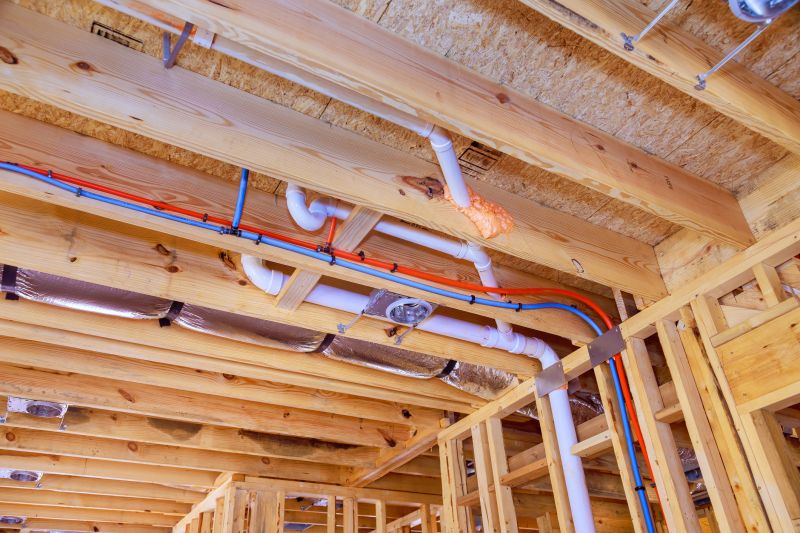


Learn how to compare local contractors, define scope, verify experience, and set clear expectations for piping replacement projects.
- Scope Definition - Clearly outline the extent of piping replacement work needed, including specific areas and pipe types.
- Material Specifications - Identify the types of piping materials to be used and any preferences or requirements.
- Experience Verification - Confirm that local contractors have relevant experience with piping replacement projects of similar scope.
- Work Expectations - Establish detailed expectations for the work process, including access, removal, and installation procedures.
- Written Agreement - Ensure all project details, scope, and responsibilities are documented in a comprehensive written agreement.
When evaluating contractors for piping replacement, it is important to consider their experience with similar projects. Homeowners should inquire about the types of piping systems the service providers have handled in the past and seek details on the scope of those projects. A contractor with a track record of successfully completing piping replacements in homes with comparable plumbing setups or building structures can provide insights into their familiarity with potential challenges and solutions. This background helps ensure that the selected service provider has relevant expertise to manage the specific requirements of the home.
A clear, written scope of work is essential when comparing contractors. Homeowners should request detailed descriptions of what the piping replacement will include, such as the materials to be used, the sections of piping to be replaced, and any anticipated work on related fixtures or systems. Having this information in writing helps set expectations and provides a reference point throughout the project. It also allows for a straightforward comparison between different service providers, ensuring that all parties agree on the work to be performed and reducing the likelihood of misunderstandings.
Verification basics involve confirming that contractors have the necessary background and qualifications to perform piping replacement work effectively. Homeowners can ask for references from previous clients or examples of completed projects similar in scope. Checking the service provider’s reputation within the local community or industry can also provide additional confidence. While licensing and certification are not discussed here, understanding a contractor’s experience and reputation remains a key factor in making an informed decision. This approach helps identify professionals who are capable of delivering quality work aligned with the project’s needs.
Evaluating options without focusing on prices involves assessing the quality of service, communication, and professionalism demonstrated by each contractor. Homeowners should consider how thoroughly each service provider explains their proposed scope, how transparent they are about their process, and whether they are responsive to questions. Comparing the clarity of written proposals and the level of detail provided can reveal the contractor’s approach to customer service and project management. By focusing on these aspects, homeowners can select a service provider who demonstrates reliability and expertise, ensuring the piping replacement is handled competently.
Ask contractors to provide written scope details to ensure clear expectations and consistent project understanding.
- Scope of Work - What specific tasks and materials are included in the piping replacement project?
- Experience and References - How long have the service providers been performing piping replacements, and can they provide references?
- Warranty and Guarantees - What warranties or guarantees do the contractors offer for their piping replacement work?
- Materials and Quality - What types of piping materials do the contractors recommend and plan to use?
- Written Estimates and Documentation - Will the scope of work and expectations be provided in a detailed, written agreement?
What should be considered when choosing a contractor for piping replacement? It's important to compare local contractors based on their experience, reputation, and the scope of services they offer. Ensuring clear communication about project expectations helps prevent misunderstandings.
How can I verify a contractor's experience with piping replacement projects? You can ask for references or examples of previous work, and review any available credentials or reviews to assess their familiarity with similar piping systems and replacement procedures.
What is the best way to define the scope of a piping replacement project? Clearly outline the specific areas to be replaced, materials to be used, and any additional work needed. Having this in writing helps ensure all parties agree on the project details.
Why is it important to get a written agreement with a contractor? A written agreement helps set clear expectations, details the scope of work, and provides a record of what has been agreed upon, reducing potential disputes or misunderstandings.
How can I compare different contractors for piping replacement services? Review their experience, scope of work, reputation, and the details provided in their proposals. Comparing these factors helps identify the most suitable service provider for the project.
What questions should I ask a contractor before hiring for piping replacement? Ask about their experience with similar projects, how they plan to approach the work, and request a detailed scope of work in writing to ensure clarity and alignment.
By reviewing the information provided, visitors now understand how to identify qualified contractors for piping replacement, including defining the scope of work, verifying experience, and setting clear expectations in writing. This approach helps ensure that the project aligns with specific needs and reduces uncertainty when choosing service providers. Utilizing the quote form allows for a straightforward way to compare local contractors and find options that match individual requirements.
Taking a moment to complete the quote form can assist in connecting with reputable service providers in the area who are equipped to handle piping replacement projects. Comparing local contractors through this process supports making informed decisions based on the details that matter most. This step helps set the foundation for a successful project by facilitating direct communication and clear understanding with trusted local service providers.