
Compare Local Contractors for Backflow Preventer Installation Services
Compare local contractors for backflow preventer installation to clarify scope, verify experience, and set clear expectations in writing for a successful project.
Backflow preventer installation is a specialized service that ensures the safety of a property's water supply by preventing contaminated water from flowing back into the main system. This work typically involves assessing the existing plumbing setup, selecting the appropriate backflow prevention device, and properly installing it according to local codes and standards. Proper installation is essential to maintain water quality and prevent potential health hazards, making it important for property owners to work with experienced contractors who understand the technical requirements and local regulations governing backflow prevention.
Defining the scope of a backflow preventer installation project is a key step in ensuring clear expectations and successful outcomes. Property owners should work with service providers to specify the type and size of the device needed, the complexity of the installation process, and any additional work such as system testing or maintenance considerations. Having a detailed scope in writing helps prevent misunderstandings, allows for better comparison between contractors, and ensures that all parties are aligned on the work to be performed, ultimately supporting a smooth and compliant installation process.
When comparing local contractors for backflow preventer installation, it’s important to consider their experience with similar projects, reputation within the community, and the clarity of their communication. Property owners can review credentials such as references or portfolios of past work, verify that the scope of work is clearly outlined in proposals, and check how thoroughly they explain the process and requirements. Gathering information from multiple service providers allows for an informed decision based on expertise, professionalism, and the ability to meet specific project needs, helping to select the right partner for this critical aspect of property maintenance.
Compare local contractors by outlining project priorities, verifying experience, and setting clear scope and expectations in writing.
- Compare Contractor Credentials - Review the experience and reputation of local service providers to ensure reliable backflow preventer installation.
- Define Project Scope Clearly - Specify the installation requirements and expectations in writing to prevent misunderstandings.
- Verify Experience and Expertise - Confirm that contractors have relevant experience with backflow preventer systems for quality results.
- Request Written Estimates - Obtain detailed, written descriptions of work to set clear expectations and avoid surprises.
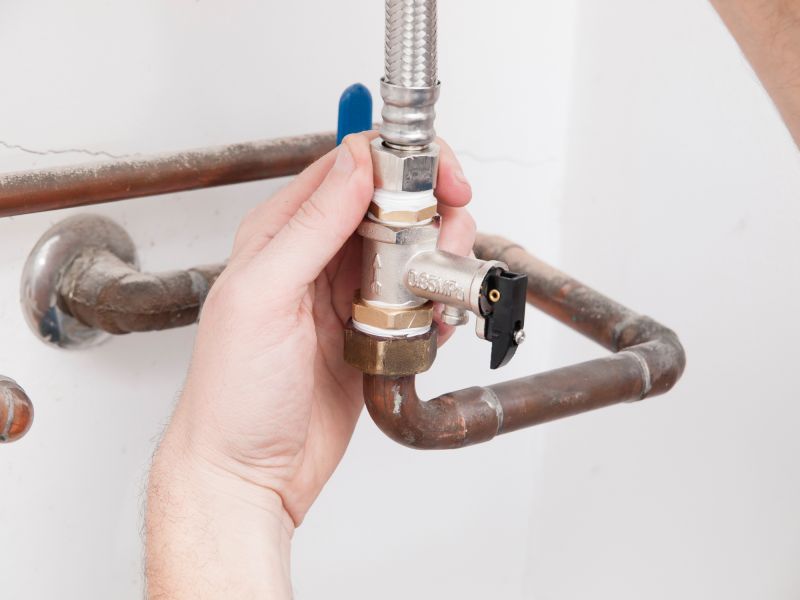
Clearly define your backflow preventer project to compare local contractors, verify experience, and set written expectations.
- Verify that the contractor has experience with backflow preventer installation specific to the property type. - Ensure the scope of work is clearly defined and documented in writing before beginning the project.
- Check if the contractor follows relevant plumbing codes and backflow prevention standards applicable in the area. - Confirm that the contractor provides detailed descriptions of the installation process and materials to be used.
- Assess the contractor’s reputation through reviews or references related to backflow preventer work. - Make sure the contractor is transparent about the warranty or guarantee policies for their installation services.
- Compare multiple service providers to understand differences in scope, approach, and experience. - Confirm that the contractor will perform a site assessment to determine the appropriate type and size of backflow preventer needed.
- Request a written contract that outlines the scope, materials, and responsibilities for the installation project. - Ensure the contractor discusses and agrees upon the inspection and testing procedures post-installation.
Compare local contractors’ experience and clarify project scope to ensure clear expectations for backflow preventer installation.
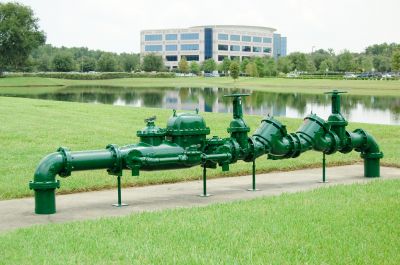
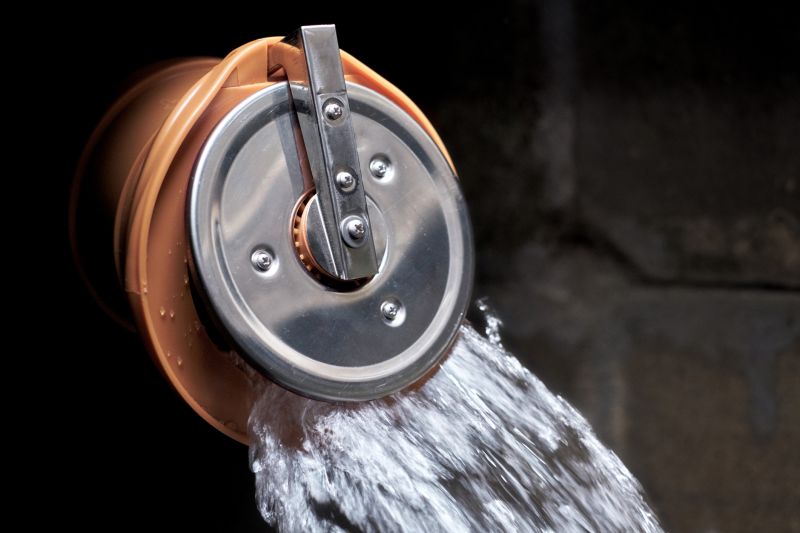
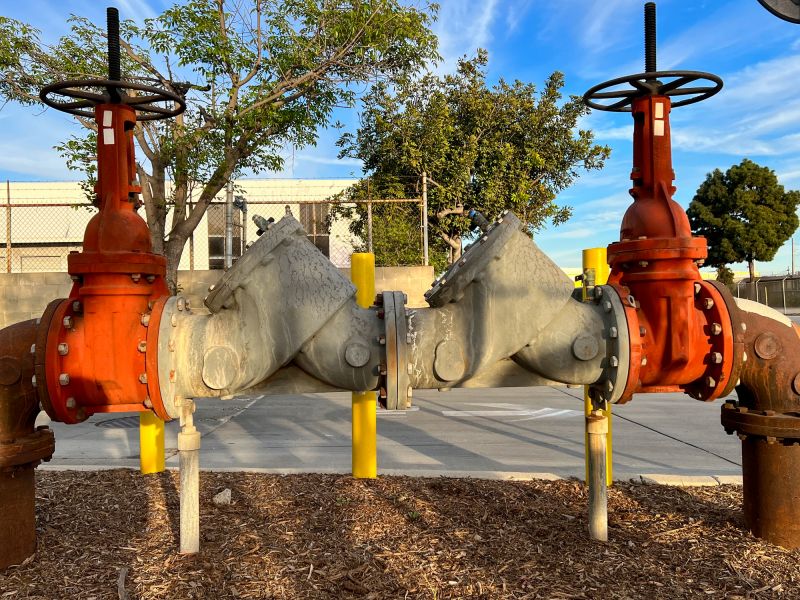
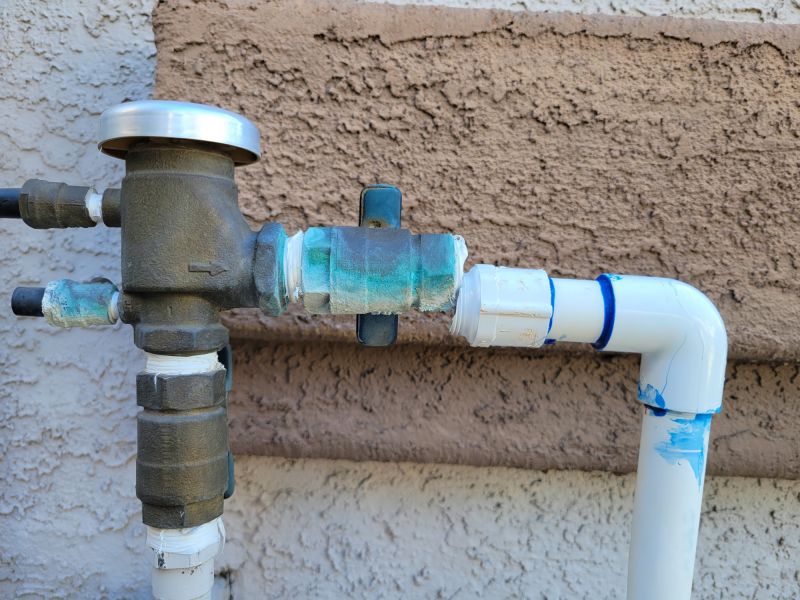
This scope builder helps compare local contractors for backflow preventer installation by clarifying work details and experience.
- Scope Definition - Clearly outline the specific tasks and responsibilities involved in the backflow preventer installation project.
- Experience Verification - Confirm that the service provider has relevant experience with backflow preventer installations in similar settings.
- Material and Equipment Details - Specify the types of materials and equipment to be used during the installation process.
- Installation Standards - Define the installation procedures and standards that the service provider must follow to ensure proper setup.
- Written Agreement - Ensure all project details, responsibilities, and expectations are documented in a formal scope of work agreement.
When evaluating contractors for backflow preventer installation, it is important to consider their experience with similar projects. Service providers who have a proven track record working on backflow prevention systems in residential settings can offer valuable insights and practical knowledge. Asking about their history with installations comparable to the scope of the home’s plumbing system helps ensure they understand the specific requirements and challenges involved. An experienced contractor is more likely to deliver a reliable installation that meets the necessary standards and functions properly over time.
A clear, written scope of work is essential when comparing contractors. This document should outline the specific tasks involved in the installation, including the type of backflow preventer to be installed, the location, and any preparatory work required. Having a detailed scope helps prevent misunderstandings and ensures that all parties are aligned on what the project entails. Service providers who can provide a comprehensive and transparent scope demonstrate professionalism and help set accurate expectations for the work to be performed.
Understanding the basics of backflow verification is also a key factor in evaluating contractors. Reputable service providers should be familiar with the fundamental steps involved in testing and confirming the proper operation of backflow preventers after installation. They should be able to explain how they verify that the device is functioning correctly and that the system is protected against contamination. This knowledge indicates that the contractor is capable of not only installing the device but also ensuring it performs as intended, which is critical for long-term system integrity.
When comparing options, it is helpful to review the contractor’s approach to the installation process and their communication about the project. Look for service providers who can clearly explain their methods, outline the scope of work in writing, and answer questions about their experience with similar systems. Avoid relying solely on visual impressions or assumptions; instead, focus on how well they articulate their process and demonstrate an understanding of backflow prevention. This approach ensures that the selected contractor is capable of meeting the project’s needs and providing a transparent, well-documented service.
Ask contractors to provide written scope of work to ensure clear expectations and consistent project understanding.
- Scope of Work Clarification - What specific tasks and responsibilities will the contractor include in the backflow preventer installation?
- Experience and Expertise - How many backflow preventer installations has the contractor completed, and what relevant experience do they have?
- Material and Equipment Details - What types of backflow preventers and materials will the contractor use, and how do they ensure quality?
- Project Expectations - How will the contractor define and document the scope of work to ensure clear understanding?
- Comparison and Selection - What criteria should be used to compare local service providers beyond pricing to assess their suitability for the job?
What should I consider when choosing a contractor for backflow preventer installation? It's important to compare local contractors based on their experience, reputation, and the scope of services offered to ensure the work meets your needs.
How can I verify a contractor’s experience with backflow preventer installation? You can review their work history, request references, or ask about previous projects similar to yours to assess their expertise.
What details should be included in the scope of work for installation? The scope should clearly define the type of backflow preventer, installation location, any required permits, and responsibilities for testing and inspection.
Why is it important to have a written agreement with the contractor? A written agreement helps set clear expectations, outlines the scope of work, and provides documentation of the agreed-upon services and responsibilities.
How can I compare different contractors for backflow preventer installation? Gather detailed proposals that specify the scope, materials, and procedures, then review their experience and reputation to make an informed comparison.
What questions should I ask a contractor before hiring for this service? Ask about their experience with backflow preventer installation, the process they follow, warranties offered, and how they handle testing and inspection requirements.
By understanding the key aspects of backflow preventer installation-such as defining the scope of work, verifying experience, and establishing clear expectations in writing-visitors can make more informed decisions when comparing local contractors. This approach helps ensure the selection process aligns with individual project needs and standards.
Utilizing the quote form allows visitors to easily compare options among nearby service providers who specialize in backflow preventer installation. Taking the time to review and evaluate these local contractors can support a confident choice tailored to specific requirements.