
Compare Local Contractors for Grease Trap Pumping Services
Compare local contractors for grease trap pumping to define scope, verify experience, and set clear expectations for a reliable, well-managed service.
Contractors specializing in grease trap pumping typically handle the removal of accumulated fats, oils, and solids from commercial and industrial grease traps. This work involves safely extracting waste, cleaning the trap components, and ensuring the system functions properly to prevent blockages and odors. Properly maintaining grease traps is essential for keeping plumbing systems operational and compliant with local regulations, making it a routine part of managing food service establishments, cafeterias, and other facilities that generate significant grease waste.
Defining the scope of grease trap pumping work is important because it clarifies what services are included and sets clear expectations for property owners. A detailed scope can specify the size and type of the grease trap, the extent of cleaning required, and any additional maintenance tasks. Having this information in writing helps prevent misunderstandings, ensures that all necessary work is covered, and provides a reference point if questions or issues arise later. Clear communication about scope also assists property owners in comparing different contractors’ offerings and understanding the level of service each provides.
When evaluating local contractors for grease trap pumping, property owners should consider their experience with similar systems and the services they offer. Comparing how contractors define scope, what procedures they follow, and the scope of work included can help identify the most suitable service providers. It’s also useful to review how each contractor communicates expectations and whether they provide detailed written descriptions of the work. By assessing these factors, property owners can make informed decisions based on the professionalism, thoroughness, and clarity of the services offered by different local contractors.
Compare local contractors by outlining your priorities, verifying experience, and setting clear scope expectations in writing.
- Compare Contractor Experience - Review the background and track record of local contractors to ensure they have relevant experience in grease trap pumping.
- Define Service Scope - Clearly outline the specific tasks and responsibilities expected from the service provider in writing.
- Verify Credentials and References - Check references and verify the reputation of local contractors before making a selection.
- Document Expectations - Establish and document all project details, including scope, responsibilities, and standards, to ensure clarity.
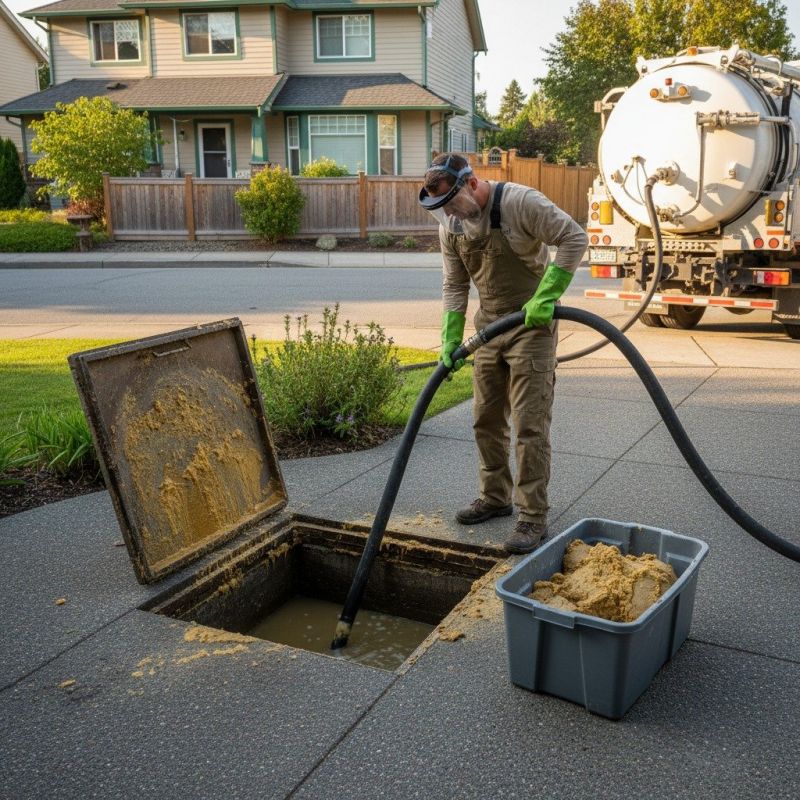
Clearly describe your grease trap pumping project to help local contractors understand the scope before comparing options and setting expectations.
- Verify the experience and reputation of local contractors specializing in grease trap pumping services. - Ensure service providers clearly define the scope of work and what is included in their pumping service.
- Compare the credentials and background of different contractors to assess their reliability and expertise. - Confirm that the scope of work is outlined in writing to set clear expectations for the job.
- Ask service providers about their process for handling grease trap cleaning and pumping procedures. - Check that contractors follow proper disposal methods for waste materials.
- Review the service provider’s policies on cleanup and site restoration after pumping is completed. - Make sure the scope of work covers any necessary follow-up or maintenance recommendations.
- Ensure all work details, including scope and responsibilities, are documented in a written agreement before work begins. - Use comparison tools to evaluate how different local contractors define and communicate their services.
Compare local contractors’ experience and scope of grease trap pumping to ensure clear, well-defined service expectations.
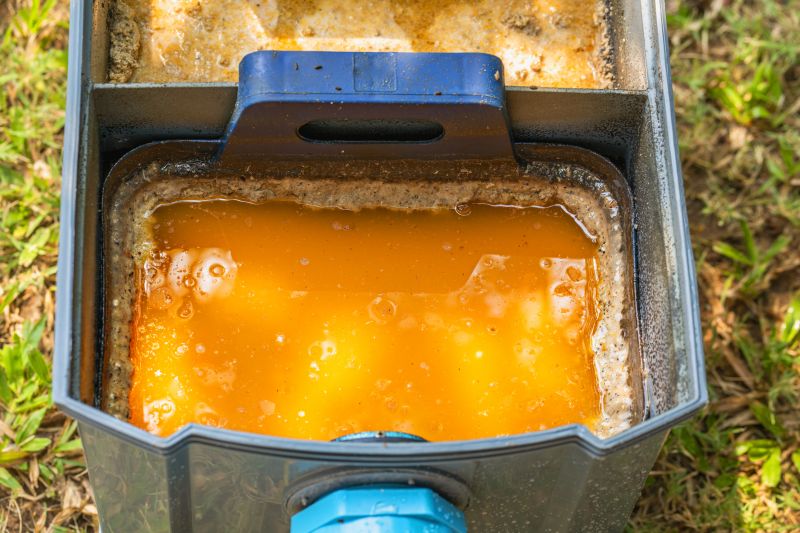
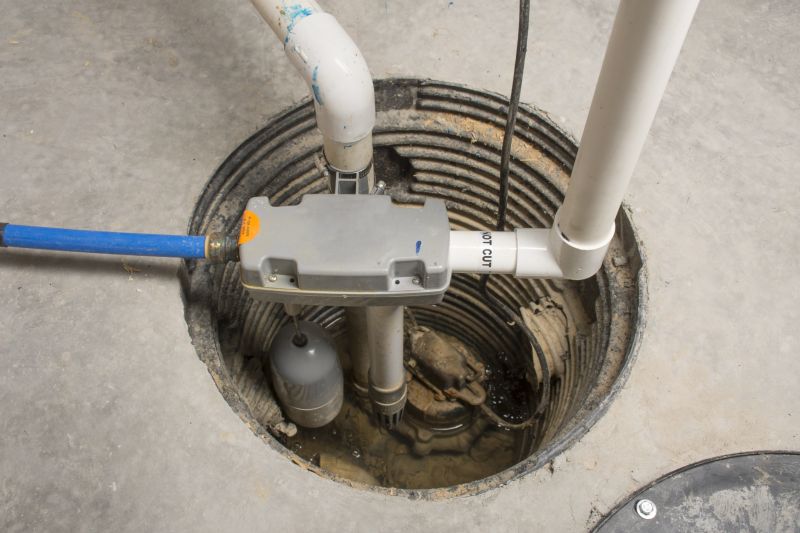
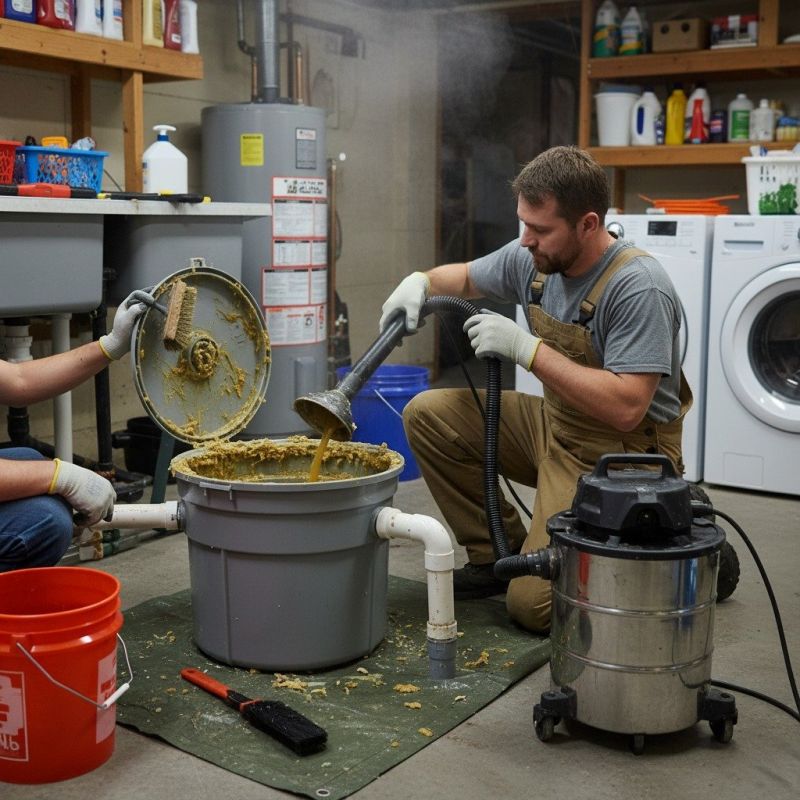
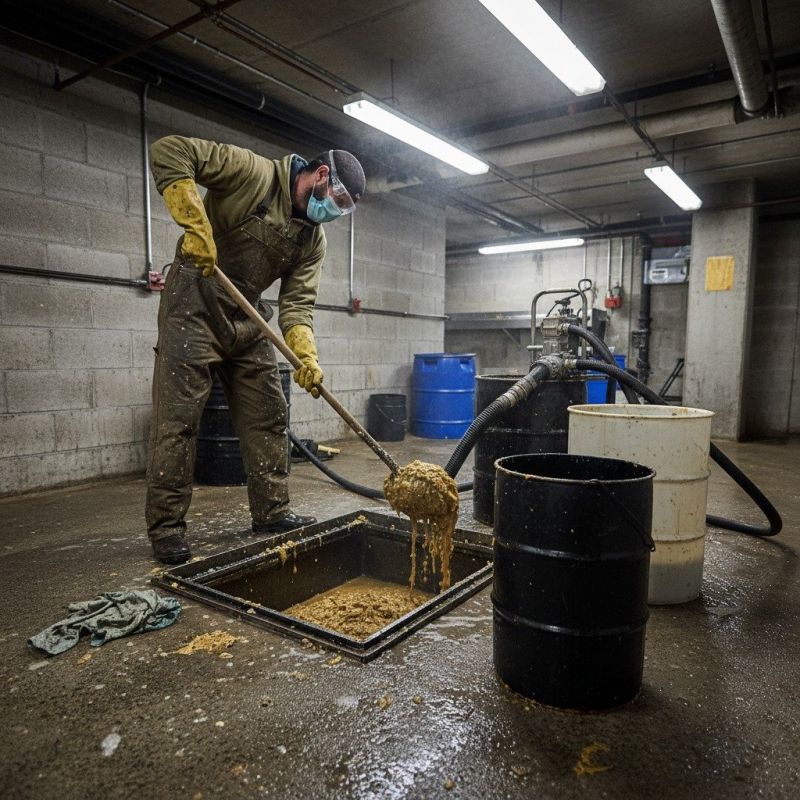
This scope builder helps you compare local contractors, define the work, verify experience, and set clear expectations.
- Scope Definition - Clearly specify the extent of grease trap pumping services required, including the size and location of the trap.
- Service Details - Outline the specific tasks to be performed during the pumping, such as removal, cleaning, and disposal procedures.
- Experience Verification - Confirm that service providers have relevant experience with the type and size of grease traps involved.
- Work Expectations - Establish what is included and excluded in the service to prevent misunderstandings.
- Written Agreement - Ensure all scope details are documented in a written agreement or work order before work begins.
When comparing contractors for grease trap pumping, it’s important to consider their experience with similar projects. Service providers who have a history of handling grease trap pumping for facilities like restaurants, cafeterias, or commercial kitchens can often bring a deeper understanding of common challenges and best practices. Asking about the types of properties they’ve serviced and the scope of past work can help gauge their familiarity with your specific needs. A contractor with relevant experience is more likely to understand the nuances of your site and deliver a service that meets industry standards.
Clear communication about the scope of work is essential when evaluating different service providers. A detailed, written description of what the grease trap pumping will include-such as the size of the trap, the disposal method, and any follow-up services-helps ensure everyone is aligned on expectations. Avoid vague statements; instead, seek contractors who provide comprehensive, written scope documents that outline exactly what will be done. This clarity can prevent misunderstandings and establish a solid foundation for the project.
Verification basics involve understanding how a contractor plans to confirm that the work has been completed properly. While formal licensing or certification may not be part of the evaluation, asking about the procedures they use to verify that the grease trap has been adequately pumped and cleaned can be beneficial. Reliable service providers often have established protocols for inspecting the trap after pumping or confirming that waste has been disposed of according to local regulations. Ensuring these verification steps are part of the process can help maintain confidence in the quality of the work.
Evaluating options without focusing on prices involves considering the reputation, experience, and clarity of each contractor’s proposal. Look for service providers who are transparent about their methods and can provide references or case examples demonstrating their expertise. It’s also helpful to compare how each contractor describes their approach and the level of detail in their scope documents. By emphasizing the quality of communication, experience, and verification procedures, property owners can make informed decisions that align with their operational needs, all while maintaining a neutral perspective on the various options available.
Request written scope details to ensure clear expectations and consistent understanding among service providers.
- Scope of Services - What specific tasks are included in the grease trap pumping service offered by different contractors?
- Experience and Qualifications - How do the contractors' backgrounds and experience levels compare for grease trap maintenance?
- Equipment and Methods - What types of equipment and techniques do service providers use to ensure thorough and effective pumping?
- Service Guarantees and Warranties - Do contractors provide written assurances about the quality or completeness of their grease trap pumping work?
- Communication and Clarifications - How do service providers clarify the scope and expectations to ensure alignment before work begins?
What should be included in a scope of work for grease trap pumping? A clear scope of work should specify the services to be performed, such as pump-out procedures, cleaning, and inspection, along with any additional maintenance tasks to ensure comprehensive service coverage.
How can I verify a contractor's experience with grease trap pumping? Inquire about the contractor's background, including years of experience and types of facilities served, and request references or examples of completed jobs to assess their expertise.
What questions should I ask to compare different grease trap pumping contractors? Ask about their service procedures, equipment used, scope of work, and any guarantees or warranties offered to understand differences in service quality and coverage.
Why is it important to have a written agreement with a contractor? A written agreement helps define the scope, responsibilities, and expectations clearly, reducing misunderstandings and ensuring all parties are aligned on the work to be performed.
How can I ensure a contractor is experienced in handling my specific type of grease trap? Discuss the contractor’s experience with similar facilities or trap types, and request details about their familiarity with your industry or setup to confirm suitability.
What should I look for when comparing service providers for grease trap pumping? Focus on their scope of services, experience, reputation, and the clarity of their written proposals to find the most suitable contractor for your needs.
This page has highlighted the importance of understanding the scope of grease trap pumping services, verifying the experience of local contractors, and setting clear expectations in writing. Comparing different service providers can help ensure that the chosen contractor meets specific needs and standards. Using the quote form provides an easy way to gather information and facilitate comparisons among nearby options.
Utilizing the quote form allows visitors to explore and evaluate various local service providers for grease trap pumping. By collecting details from multiple contractors, it becomes easier to make informed decisions based on scope and experience, ensuring a suitable match for the specific requirements of the job.