
Compare Local Contractors for Rough Plumbing Installation Services
Compare local contractors for rough plumbing installation to define scope, verify experience, and set clear expectations, ensuring a smooth project process.
Rough plumbing installation involves laying out the foundational piping systems that supply water and remove waste within a property. This work typically includes installing the main water supply lines, drain, waste, and vent (DWV) systems, as well as connecting fixtures and appliances to the plumbing network. Properly executed rough plumbing is essential for ensuring the functionality and efficiency of the entire plumbing system, making it a critical step before finishing work like drywall or flooring begins. When selecting a contractor for this phase, property owners should ensure that the service providers have experience handling similar projects and understand the specific requirements of the property’s layout and use.
Defining the scope of rough plumbing installation is a key step in managing expectations and ensuring the project proceeds smoothly. Clear documentation should specify which areas are included, the types of piping and materials to be used, and any particular considerations such as existing infrastructure or building codes. A detailed scope helps prevent misunderstandings and scope creep, which can lead to delays or additional work. Property owners are encouraged to work closely with contractors to outline these details in writing, ensuring everyone is aligned from the outset and that the project’s expectations are transparent and achievable.
Comparing local contractors for rough plumbing installation involves evaluating their experience, reputation, and approach to similar projects. Property owners can start by researching service providers who have worked on comparable properties or systems, and by reviewing any available references or reviews. It’s also helpful to inquire about the methods and materials they typically use, and to verify that their work aligns with local standards and regulations. Gathering multiple proposals and asking detailed questions about scope, process, and communication practices can assist in making an informed decision. Ultimately, choosing experienced and communicative service providers helps ensure the project is completed to expectations and with minimal surprises.
Compare local contractors by outlining project priorities, verifying experience, and clearly defining scope and expectations in writing.
- Compare Contractor Experience - Review the background and project history of local contractors to ensure they have relevant expertise in rough plumbing installation.
- Define Project Scope Clearly - Outline specific work requirements and expectations to facilitate accurate contractor understanding and proposals.
- Verify Credentials and References - Check references and verify experience to assess the reliability and quality of potential service providers.
- Document Agreements in Writing - Ensure all project details, responsibilities, and expectations are clearly documented to prevent misunderstandings.

Clearly describe your rough plumbing project to help compare local contractors, verify experience, and set clear expectations in writing.
- Verify the contractor’s experience with rough plumbing installation in similar projects. Ensure the scope of work is clearly defined and agreed upon in writing before beginning the project. Check that the contractor plans to install all necessary pipes, fittings, and fixtures according to building codes and standards. Confirm that the contractor will inspect all plumbing lines for leaks and proper alignment during installation. Ensure the scope includes coordinating with other trades to prevent conflicts during rough plumbing work. Review the contractor’s process for documenting work progress and any changes to the original plan.
Use this to compare local contractors, clarify project scope, verify experience, and set clear expectations.
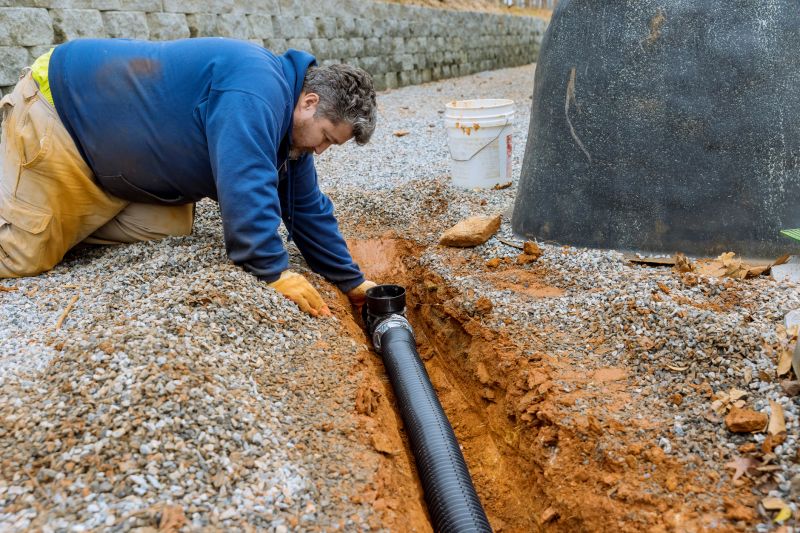
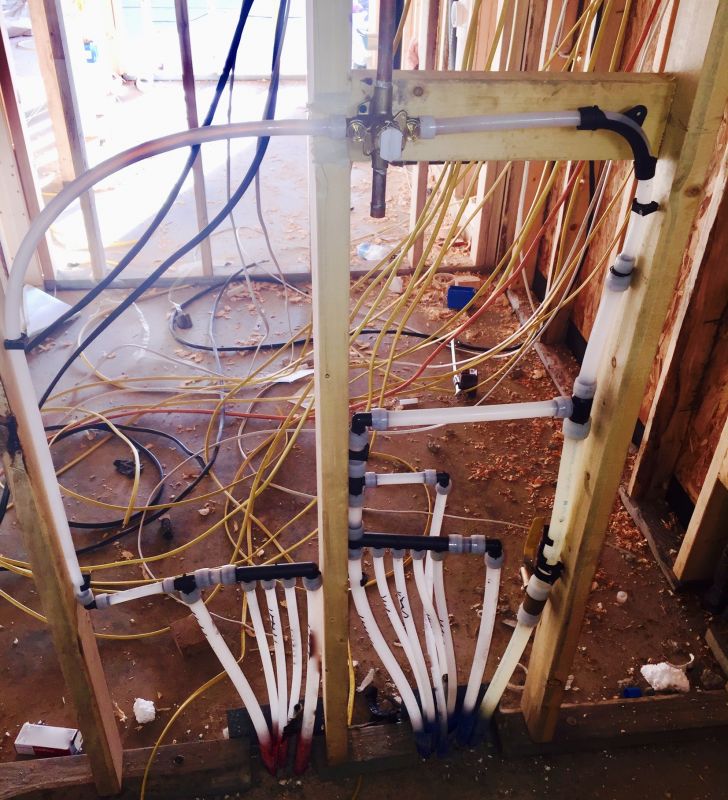
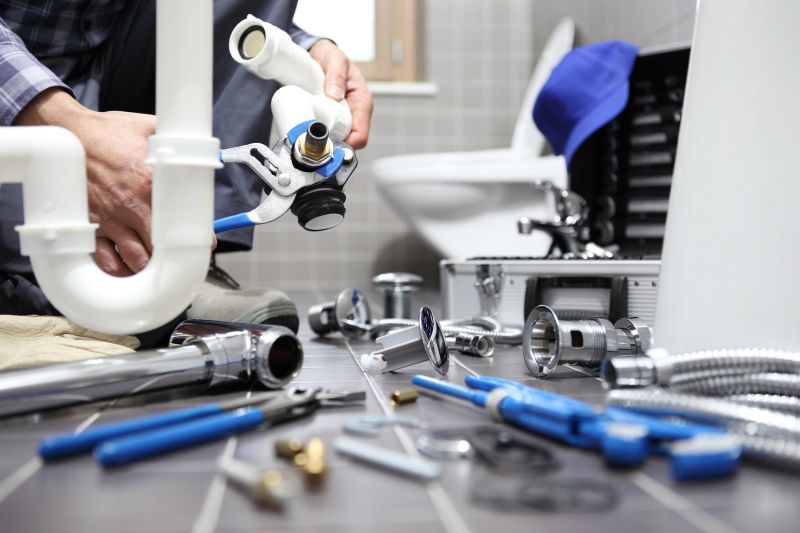

Learn how to compare local contractors for rough plumbing installation by defining scope, verifying experience, and setting clear expectations.
- Scope Definition - Clearly outline the specific plumbing systems and areas to be installed or modified in the project.
- Material Specifications - Specify the types and quality of pipes, fittings, and fixtures to be used during installation.
- Installation Standards - Establish the required methods and codes that the plumbing installation must adhere to.
- Experience Verification - Confirm the relevant experience and past projects of local contractors performing rough plumbing work.
- Written Expectations - Document all scope details, materials, standards, and responsibilities to ensure mutual understanding with service providers.
When comparing contractors for rough plumbing installation, it’s important to consider their experience with similar projects. Homeowners should inquire about the types of plumbing systems the contractors have worked on and ask for examples of past projects comparable in scope and complexity. Contractors with a proven track record in projects similar to the current one are more likely to understand the specific requirements and potential challenges, helping ensure the work aligns with expectations.
A clear, written scope of work is essential when evaluating potential service providers. This document should outline the specific tasks to be completed, materials to be used, and the overall extent of the project. Having a detailed scope helps prevent misunderstandings and provides a basis for comparing different contractors’ proposed approaches. It also creates a reference point for future discussions and ensures that all parties share a common understanding of the work involved.
Verification basics are key to confidently selecting a contractor. Homeowners should verify that the service providers have appropriate experience and a solid reputation within the local community. Asking for references or examples of completed projects can provide insight into the quality of work and professionalism. Additionally, confirming that contractors adhere to local building codes and standards-through documentation or certifications-can help ensure the work will meet necessary requirements and reduce the risk of issues later on.
Evaluating options without focusing on prices involves assessing the overall quality, communication, and professionalism of each contractor. Homeowners should consider how thoroughly each service provider listens to project details, how well they articulate their approach, and whether they provide comprehensive written proposals. Comparing the clarity of scope, experience with similar projects, and verification of credentials can help identify the most reliable and capable contractors to handle the rough plumbing installation, leading to a more informed decision.
Ask contractors to provide written scope descriptions to ensure clear expectations and consistent project understanding.
- Experience and Expertise - What specific experience do contractors have with rough plumbing installations similar to the scope of this project?
- Scope of Work - How do contractors define and document the scope of work to ensure clear expectations?
- Materials and Methods - What materials and installation methods do contractors plan to use, and how do they compare?
- Project Approach - How do contractors plan to coordinate with other trades and manage the installation process?
- References and Past Work - Can contractors provide references or examples of previous rough plumbing projects they have completed?
What should I consider when comparing contractors for rough plumbing installation? It's important to review their experience with similar projects, verify their reputation, and ensure they clearly define the scope of work in writing to set proper expectations.
How can I verify a contractor’s experience with rough plumbing? You can ask for references of past projects, check their portfolio, or inquire about their background in handling installations similar to your needs.
Why is it important to define the scope of work upfront? Clearly outlining the work details helps prevent misunderstandings, ensures all parties agree on project requirements, and provides a basis for accountability.
What questions should I ask contractors before hiring for rough plumbing installation? Ask about their previous experience, how they handle unexpected issues, and whether they provide detailed written estimates and scope descriptions.
How can I ensure I’m choosing a reliable contractor? Look for contractors with a solid reputation, verified experience, and a history of clear communication and written agreements outlining project details.
What are some key factors to compare when selecting a rough plumbing contractor? Focus on their experience, scope clarity, reputation, and their ability to provide detailed, written project descriptions to ensure alignment on expectations.
This page has highlighted key considerations for selecting contractors capable of handling rough plumbing installation, including how to define the scope of work, verify experience, and establish clear expectations in writing. By understanding these aspects, homeowners can better compare options and identify service providers suited to their project needs. Using the quote form allows for a straightforward way to connect with local contractors who can assist with the job.
To find the right contractor for rough plumbing installation, it’s important to explore local service providers who can meet specific project requirements. Comparing different options through the quote form can help in evaluating potential contractors based on experience and scope of work. Taking these steps ensures that the process of selecting a contractor is informed and tailored to the particular needs of the project.