
Compare Local Contractors for Drain Line Replacement Services
Compare local contractors for drain line replacement to define scope, verify experience, and set clear expectations for a successful project.
Drain line replacement is a significant plumbing service that involves removing and installing new underground pipes responsible for carrying wastewater away from a property. This work typically covers diagnosing issues with existing drain lines, excavating to access the pipes, removing damaged or deteriorated sections, and installing new piping that meets the property's needs. Properly performed drain line replacement ensures the integrity of the plumbing system, helps prevent leaks, and maintains effective drainage. Because this work often involves digging into the foundation or yard, it’s important for property owners to work with experienced contractors who understand the complexities of underground plumbing and local building codes.
Clearly defining the scope of drain line replacement projects is essential for ensuring all necessary work is understood and agreed upon before the job begins. A well-defined scope includes details such as the extent of pipe removal, the type of piping used, access points, and any additional repairs needed for surrounding structures. Having these specifics in writing helps prevent misunderstandings and provides a clear basis for comparison among different service providers. It also assists property owners in assessing whether a contractor’s proposed approach aligns with the property's unique requirements, reducing the risk of unexpected issues or incomplete work later on.
When comparing local contractors for drain line replacement, property owners should consider factors such as experience with similar projects, reputation within the community, and the thoroughness of their proposals. It’s advisable to verify how each contractor plans to approach the scope, what materials they intend to use, and whether they include provisions for dealing with unforeseen complications. Gathering multiple detailed proposals allows for an informed comparison of the approaches and professionalism of each service provider. This process helps ensure that the selected contractor has the expertise and commitment necessary to complete the work effectively and in accordance with the defined scope.
Compare local contractors by outlining your project needs, verifying experience, and setting clear expectations in writing.
- Compare Contractor Credentials - verify the experience and reputation of local contractors before choosing a service provider.
- Define the Scope Clearly - establish detailed project requirements to ensure all parties agree on the work to be performed.
- Request Written Estimates - obtain detailed, written descriptions of the work to set clear expectations and avoid misunderstandings.
- Assess Communication and Transparency - evaluate how well local contractors communicate and document project details during the selection process.
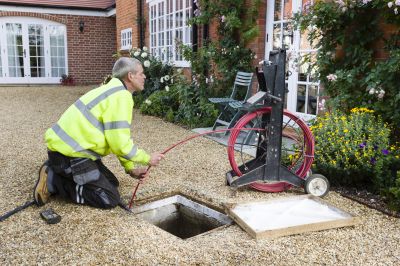
Clearly describe your drain line replacement project to compare contractor options, verify experience, and set written expectations.
- Verify experience and expertise of local contractors in drain line replacement projects. - Ensure contractors clearly define the scope of work and specify materials to be used.
- Compare multiple service providers to assess their qualifications and approach to drain line replacement. - Look for detailed written estimates that outline the work to be performed.
- Check references or reviews to gauge the quality of previous drain line replacement projects completed by the contractors. - Confirm that the contractor provides a written warranty or guarantee for their work.
- Discuss the project timeline and expectations to ensure alignment before work begins. - Clarify the process for handling unexpected issues or additional repairs that may arise.
- Ensure all project details, including scope, materials, and warranties, are documented in a comprehensive written agreement.
Compare local contractors, clarify project scope, verify experience, and set clear expectations in writing.
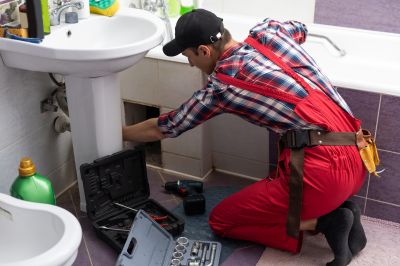
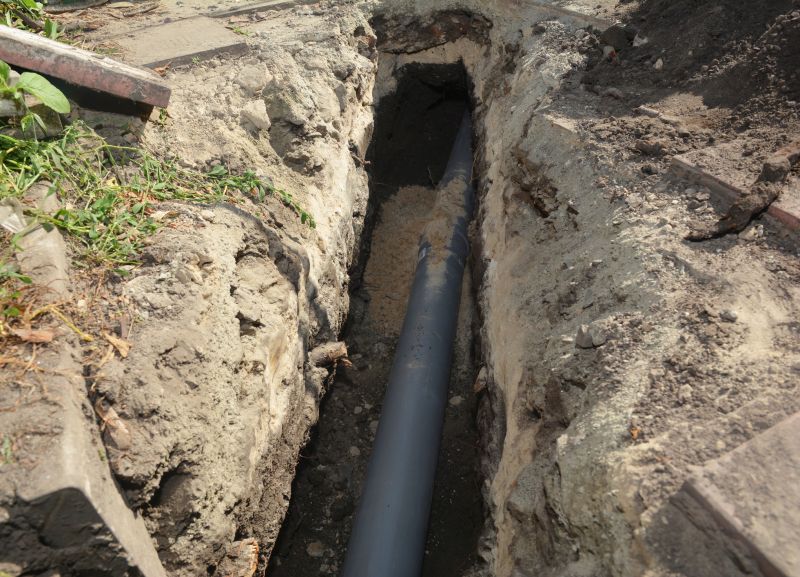
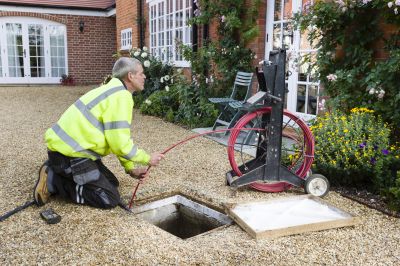

Use consistent scope definitions and verify experience to effectively compare local contractors for drain line replacement.
- Scope Definition - Clearly specify the extent of drain line replacement to include the pipe segments, connections, and any additional related components.
- Material Selection - Identify the types of pipes and fittings that will be used to ensure compatibility and durability.
- Work Area Preparation - Outline the necessary steps to prepare the site, including access points and protection of surrounding areas.
- Removal and Disposal - Define procedures for safely removing the existing drain line and disposing of debris in accordance with local regulations.
- Verification and Testing - Establish methods for inspecting the new drain line installation and testing for proper function before project completion.
When comparing contractors for drain line replacement, it’s important to consider their experience with similar projects. Homeowners should inquire about the types of drain line replacements the service providers have completed, paying attention to the complexity and scope of those jobs. A contractor with a history of successfully handling projects comparable in size and difficulty can offer insight into their familiarity with common challenges and best practices. This background can help ensure that the chosen professional is well-equipped to manage the specific requirements of the drain line replacement needed.
A clear, written scope of work is essential when evaluating potential contractors. The scope should outline the specific tasks involved, including the extent of excavation, materials to be used, and any additional services such as inspection or cleanup. Having this information documented helps prevent misunderstandings and sets clear expectations for both parties. Homeowners are encouraged to request detailed proposals that specify what is included and what is not, ensuring transparency and facilitating accurate comparisons between different service providers.
Verification basics are a key part of selecting a reliable contractor. Homeowners should seek information about the contractor’s experience with drain line replacements, including references or examples of past projects. Confirming that the contractor has a solid track record with similar work can provide confidence in their ability to deliver quality results. Additionally, understanding the process they follow for diagnosing issues and determining the appropriate scope can help homeowners assess whether the contractor’s approach aligns with their expectations.
Evaluating options without focusing on prices involves examining how each contractor communicates and structures their proposals. Homeowners should compare the clarity of scope descriptions, the level of detail provided, and the professionalism of the documentation. It’s also helpful to assess the contractor’s responsiveness and willingness to answer questions about their methods and experience. By focusing on the quality of information and the thoroughness of their approach, homeowners can make informed decisions that prioritize expertise and clear communication, leading to a more confident selection of service providers.
Ask contractors to provide written scope details to ensure clear expectations and consistent project understanding.
- Experience and Qualifications - What experience do local contractors have with drain line replacement projects?
- Scope of Work - How do contractors define and clarify the specific scope of the drain line replacement?
- Materials and Methods - What materials and techniques do service providers plan to use for the replacement?
- Warranty and Guarantees - Are warranties or guarantees included, and what do they cover?
- Written Estimates and Agreements - Will the contractor provide a detailed, written scope of work and agreement before starting?
How can I compare different contractors for drain line replacement? To compare contractors, review their experience, ask about their previous work, and verify references or reviews. Ensuring clarity in scope and services helps in making informed decisions.
What should I consider when defining the scope of drain line replacement? Clearly outline the extent of the work, including the length and location of the drain line, and any specific requirements or concerns to ensure contractors understand your needs.
How do I verify the experience of a drain line replacement contractor? Ask for details about their past projects, years of experience, and whether they have handled similar drain line replacements in your area.
Why is it important to get written estimates and scope of work? Having a detailed, written scope and estimate helps set clear expectations and provides a reference for what is included in the project, reducing misunderstandings.
What questions should I ask contractors during the selection process? Inquire about their approach to drain line replacement, materials used, experience with similar projects, and how they handle potential issues that may arise during work.
How can I ensure that a contractor is qualified for drain line replacement? Review their experience, ask for examples of completed projects, and verify that they follow industry standards and best practices for drain line work.
This page has provided guidance on how to evaluate and compare contractors for drain line replacement. Visitors learned the importance of defining the scope of work, verifying the experience of service providers, and setting clear expectations in writing to help ensure a smooth process. Using these steps can assist in making informed decisions when selecting a contractor to handle the job.
To explore options and connect with qualified local service providers, using the quote form is encouraged. It offers a straightforward way to gather information and compare different contractors, helping to identify the best fit for your drain line replacement needs.